
Chapter 1
IN THIS LESSON
The 3 Core Skills of Mindfulness
In order to live your life mindfully and develop self-awareness, there are three core skills that you need to develop:
1) focused attention or concentration
2) open monitoring or present moment awareness, and
3) acceptance or non-judgment. Let’s look at what each of these mean: Focused Attention (Concentration) Focused attention is like paying attention “on purpose”. Throughout the book you will hear us use the word “awareness” and know that when we say awareness we are usually talking about deliberate, focused attention.
Think about it like concentrating on something, which means consciously choosing what we’re paying attention to. For example, you may know that you are eating but your mind can be thinking about a hundred other things, watching TV, talking, or playing with your phone.
A very small part of your awareness is absorbed in eating. This is very different from eating mindfully, or with focused attention. When you eat mindfully you are fully aware of your eating—you deliberately notice the sensations, flavors, textures. When your mind wanders, you bring your attention back to eating. Developing focused attention does not have to be complicated... Being fully aware of a single breath can take you there... and we take 8 to 10 million breaths a year, so we have a lot of opportunities.
Open Monitoring (Present Moment Awareness) Unlike focused attention when you direct your awareness at just one thing, open monitoring is observing whatever is happening at the moment. Focused attention is like having tunnel vision, while open monitoring is like looking through a wide angle lense. When we practice mindfulness, our thoughts are focused on what we’re sensing in the present moment rather than rehearsing the past or imagining the future. It’s about paying attention to NOW, which is the one moment we actually can.
This is perhaps the most important reason to practice mindfulness because when you stay stuck in a state of mindlessness, lost in thought about the past or future, you are letting your life pass you by. Mindfulness means living in the moment and truly experiencing life. Like I said, mindfulness is concerned with focusing on what’s going on right now.
That doesn’t mean we can no longer think about the past or future, but when we do so we do so mindfully, meaning that we’re aware in the moment that we’re thinking about the past or future. There is a higher level of awareness that comes in.
Acceptance (Non-Judgment) Mindfulness involves acceptance, meaning that we observe our thoughts and feelings without judging them. We stop believing that there’s a “right” or “wrong” way to think or feel in a given moment. It means we don’t beat ourselves up when we catch ourselves thinking about things we didn’t want to think about. It also involves acceptance of the conditions of life, as well as other people.
Mindfulness means learning how to accept what IS, see the truth clearly, and stop living in resistance. By seeing things as they are, without judging them, you will be able to make peace with them and choose healthy ways of responding.


Mindful Morning Routine
When we first wake up we have a new beginning, an opportunity to reset, and a chance to set the tone for the rest of the day. This means that this is the best time to follow through on a new routine as well as to start the day of being mindful. In fact, Tim Ferris a best-selling author and a highly acclaimed entrepreneur has interviewed some of the most successful people in the world and what he found was that they all had a morning mindfulness routine. Keep in mind that we are all different and we have different needs of what will work for us. Therefore, the most important thing is finding a routine that fits you. Here are a few tips:
• Prepare the night before: To have a successful morning routine you must plan for it. Writing it down and scheduling it in is a powerful way to let our mind know what our intentions are. Therefore, consider what you will need and make time for it.
To be able to do this make sure that you are waking up earlier than you need to give your self-time. The last thing you want is to be rushed when you are trying to be mindful.
Therefore, you want to have enough time that you can start your morning slowly without unnecessary stress. Some of the things that you can also do the night before to make your morning more flexible is making or prepping your lunch the night before and picking your clothes. Of course, getting a good night sleep will also impact your day so make sure that you get a good night sleep.
• Starting your morning: Wake up at least 30 minutes earlier and make sure your alarm is one that is soothing. It can be a song or nature sounds instead of an alarm that will put your body in a state of stress. Not a morning person? Remember that you can’t expect to make drastic changes to your morning routine. For example, if you are used to waking up late then cutting that by 2 hours may be unreasonable. Change takes time so make changes to your night routine, so you can go to sleep earlier and change morning routines gradually. Or, simply use morning rituals that can be done during your existing routing so that it doesn’t take you extra time.
• Stretch: When you first wake up, stretch and take five deep breaths as you connect with your body.
• Be grateful: Name five things out loud that you're grateful for. These could be things that you are looking forward to, things form your day before, how comfortable your bed was, or anything you can think of. Starting your day with gratitude will set a positive emotional state for the day
• State a mantra or affirmation to yourself: For example: Today is a new day. It is a gift, an opportunity for new opportunities. I wake into this new day with optimism and openness to the blessings it will hold. I intent to live today fully and mindfully and appreciate every moment of it.
• Ignore your devices: Research has found that 80% of smartphone users check their phones within 15 minutes of waking up. This takes away from your time of being with yourself and being mindful of what you are creating with your day. Plus, since most smartphone users are checking their email or social media, doing this also allows exposure to others to determine the thoughts and emotions that start their day. Therefore, make sure that you are being intentional and deciding what you want to experience and consider that your phone probably does not contain your intentions, desired emotions, or mindfulness.
• Change it up: Remember that you do not have to do the same thing repeatedly, you can experiment with different routines and rituals as long as you commit to a regular schedule. This will help you find the morning processes that truly resonate with you and be able to keep things fresh so that it makes it easier to stay mindful.
• Create a morning routine that engages your mind and your body: Your routine should be one that engages your mind and body so that you can start your day feeling energized and ready to move forward.
• Let the light in: There is a reason movie tend to show people opening the drapes in the morning. Letting the light in signals to your brain that it’s time to come back to full awareness. If you’re waking up before the sun rises, turn on the lights.
• Get wet: You can splash cold or hot water on your face depending on what feels right for you. You can also jump in the shower to start your morning. Many high performers report jumping into cold water to jumpstart their day.
• Use essential oil: Using essential oils can stimulate your senses and help you feel energized, such as taking deep inhalations of peppermint. You can also combine aromatherapy with your mindfulness exercises or meditations.
• Exercise: When you exercise your body produces endorphins and adrenaline which can give you a boost to start your day. Exercise is a great mindfulness practice if you really pay attention to the moves of your body, whether you’re going for a walk, doing stretching or yoga, or hitting the gym. You can also listen to a mindfulness exercise or mediation while you exercise.
• Meditate: Many people who meditate regularly do it first thing in the morning. If you would like your formal meditation practice to be in the morning, consider at what point in your existing routine you would be most able to integrate meditation. Immediately upon waking up? After you use the bathroom? Before or after your coffee? Where will you do it? If you are meditating in your bed, make sure to set a gentle alarm, as some people tend to fall asleep if they meditate in the morning. If you tend to fall back asleep, consider moving your meditation to another time of the day when you are better able to focus.
• Make it a group experience: One of the best ways to stay committed to a morning routine is to get others involved. This will help develop support and hold you accountable. This person may be someone in your home such as a family member, a person that can meet you virtually or that you reach out to each other. It can even be a virtual group that meets to meditate, or a physical or virtual class that you take in the morning.
Here are some activities you can consider including in your version of a mindful morning routine:
• Read
• Meditate
• Exercise, including mindful walking or running outside
• Spend time in nature
• Prepare / eat healthy food
• Breath work
• Drink tea (or coffee) mindfully
• Gratitude exercise
• Write down a daily intention for yourself
• Play or listen to music
• Watch something that will make you laugh
• Keep a journal
• Do something creative (write, draw, paint, create)
• Create something or work on your passion project
Mindful Bedtime Routine Creating a Mindful Bedtime Routine
As we look at creating a nighttime or bedtime routine that helps us be more mindful and helps us relax and get a good night sleep, it’s important to remember that everyone is different and that we all have different needs so its about finding what works for you. Whatever it is that you decide to do in order to be mindful during your nighttime routine, the key is to make it a habit.
Once you’ve established a routine, it acts as a trigger to your brain so that as you start your routine your brain knows it’s time to wind down.
Research shows that our brain is calmed by repetition and comforted by consistency. Not only is practicing mindfulness at bedtime beneficial to your mindfulness practice, it will also help you have better sleep and wake up in a better state.
Chances are you already have a routine you do before bed, even if it’s simply brushing your teeth, taking a shower or using the bathroom. You can simply make it a point to be mindful during your existing bedtime routine by paying close attention to the steps of brushing your teeth, the way the toothbrush feels in your mouth, the sounds and smells of a nice hot shower, how it feels as the water hits different parts of your body, the way that the water looks as it falls from the shower head.
You can also take a few minutes as you crawl into bed to be mindful of how it feels to lay down and rest. The softness of your blanket, the way the pillow cushions your head, the stillness in your body, the silence in the room. In addition to the ample opportunities to practice mindfulness during your bedtime routine, last thing at night is also a great time to practice some of the mindfulness or meditation techniques you have learned.
Meditating at night is a great way to calm the mind and prepare it for restful sleep. If you plan to add one of the practices you learned into your nighttime routine, consider when and where you will do it and whether you will need any supplies, such as guided meditation audio, music, headphones, etc.
Here are some additional tips for optimizing your bedtime routine, both to increase your mindfulness and to have more restful sleep.
• Electronic devices. Our current society loves electronic devices whether it’s your phone, tablet, or tv. However, many studies find that we should not use them an hour before we sleep since they stimulate our brain, the light that they produce interferes with our internal clock, and the activities or content we access through these devices can create stress.
• Declutter. Your bedroom is your sanctuary, so keep it decluttered as it will help the brain relax.
• Dim the lights. Lights are a trigger to our biological clock of when and if we should be sleeping. Therefore, dimming the lights or turning them off helps the mind know it should be shutting down.
• Listen to music or nature sounds. Sounds can help our body feel relaxed and can also serve as a trigger for the body that it’s time for bed if you use the same sounds on a constant basis. Of course, you do not want music that is too stimulating.
• Write down any ideas that pop into your mind as you’re going to bed, especially things that need to be remembered. By writing it down you release your mind from the need to keep the thought active. You might even find that your mind is relaxed and therefore creative at night and you may find great new ideas popping up. Writing them down is better than trying to repress them.
• Complete a 5 minutes journal entry. This does not have to be complicated, it can be as simple as writing down 5 things that you are grateful for.
• Read. You can also take 20 minutes to read to relax the brain. Just make sure that you are not reading work related material or things that are too stimulating. Ideally read in another room so that your mind does not associate stimulation with your bed.
• Drink tea. Some teas are great to help relax the body. Chamomile, Valerian Root, and Lavender are among the ones that are associated with sleep.
• Use essential oils. Aromatherapy has been shown to be a great trigger for the mind, and using a soothing scent before bed every night tells the mind that it is time to calm and rest.
• Don’t lie awake for hours. If you find you are unable to fall asleep quickly, do not beat yourself up or continue to lay in bed feeling frustrated, which increases anxiety and stress. Accept however you are feeling and the fact that you are still awake, and remember that all thoughts and emotions will eventually pass. Your body will sleep when it’s ready. Focus on your breathing or use one of your favorite mindfulness techniques and be patient with yourself.
Tell yourself it’s okay if your mind is active. It will tire itself out like a toddler and will eventually crash.
Your body knows how to take care of itself and will find it’s way to rest. It takes the average person between 20 and 30 minutes to fall asleep.
If you are still up after 30-45 minutes, it is beneficial to get up briefly and take 15 minutes to conduct some of your bedtime routines or favorite mindfulness practices.

Mindful Awareness of the Present Moment
Present Moment Awareness
The Mini-Mindfulness
Exercise Another great activity to become more mindful when you are short on time is the mindfulness exercise. This activity has three simple steps that you can do anywhere.
1. Bring awareness to your thoughts, what you are doing and sensing in your environment. Try to be in a comfortable position and notice your thoughts without judging them and let them come to awareness and let them pass by.
2. Now bring your awareness to your breath. Take the time to focus on six breaths or for a minute. Become aware of the air coming in and out of your lungs and how your body is moved by it. For example, how does your chest rise and fall?
3. Next expand awareness to the rest of your body to your current environment. Notice any sensation in your body and then move to your 5 senses of what is in your environment.
What are the colors, shapes, patterns, sounds, tastes, feeling that your senses are picking up? When you are done take a deep breath and try to keep that awareness of your environment as long as you can.
You can do this throughout the day to get re-centered quickly.
3-Minute Breathing Space
There are times that you just need a quick way to get re-centered, or you just want a mindful practice that you can practice quickly.
Therefore, unlike other mindful practices this one can be done easily and quickly especially for those people that have a busy life and an active mind. This activity has three process and each of them takes about a minute. See the process below.
1. The first step in the process is taking a minute and asking yourself “how am I doing right now?”. During this time focus on the feelings, sensations, and thoughts that may arise while giving them words and phrases associated with them.
2. In the second step or second minute you will spend it on focusing on you on your breath. Do not try to change it, just develop awareness of it.
3. In the last minute you will expand your focus from just your breath to focusing on the rest of your body and how your breath affects the rest of your body. Keep in mind that it may be normal for your mind to wander. Therefore, do not judge it or try to block them. Just observe the thoughts let it come in and let it disappear. Also keep in mind that the more you do any sort of these activities that create mindfulness the easier it will become. In fact, you are training your mind and like any other training it may take some time.
2-Minute Bell Exercise
Let’s jump right in with our first mindfulness exercise!
In this exercise, you will use the sound of a repeating bell to anchor your attention in the present moment. This is a great, quick way to re focus and calm your mind. Consider using this bell-exercise every day to start your mindfulness process. The repetition will turn the sound of this bell into a powerful anchor that will immediately ground you and pull your awareness into the present moment. Close your eyes now. As you listen, notice the intensity of the bell when it rings and then stay with the sounds as it fades away.
Simple Mindfulness Meditation
The term “meditation” often conjures up images of sitting cross-legged on the floor, surrounded by crystals, in a dimly lit room that smells like incense. For some people, this sounds appealing and for others, they assume meditation is a weird, woo-woo, airy fairy experience.
But, the truth is that meditation is simply a process of observing and quieting your mind. If you don’t like the word meditation, call it focusing.
Mindfulness Meditation:
This CBT exercise helps people disengage from obsessive thinking, which means thoughts that have a lot of momentum, by paying attention to the present moment.
There has been a significant amount of research conducted on this form of meditation and the positive effects it has on a number of psychological problems.
Simple Mindfulness Meditation Practice
• Find a quiet place free of distractions. Your mind will offer enough distractions of its own, so pick a place where no one will interrupt you.
• Sit comfortably in any position you desire. Upright is ideal, however you can lay down if you want to. Just make sure your position is comfortable and will not distract you.
• Start by bringing your attention to your breathing. Notice the sensation of your breath entering and exiting your nose or mouth. Notice how it feels as the air brushes through. Is it cool? Does it tingle?
• Notice the rise and fall of your chest or abdomen as the air fills and then empties your lungs. Do not force or control your breathing, simply allow it to be natural and continue to observe it.
• Watch your breathing for about 5 minutes. During this time, you will find that your mind will wander off and think about all sorts of things: physical sensations, things you need to do, what happened yesterday. This is totally normal. When you notice your mind has wondered off, simply start noticing your breathing again.
You may need to bring it back again and again, and this is wonderful because it means you are becoming mindful!
• The more you practice this, the less your mind will wander. Then, you’ll notice you are better able to keep your focus at other times throughout the day as well!
• When you are finished with your 5 minutes, you may notice an increased sense of calm.
• As you get used to this activity, you can increase the time sitting to 10, 15, or 20 minutes. What is most important is consistency, so regardless of how long you sit in this mindful state, do it every day. 15
• The most important point of developing a daily meditation practice is consistency, so 3 minutes every day is better than an hour once a week.
Next, we’ll be looking at additional mindfulness, breathing, and meditation techniques. For a more advanced guided meditation practice, do the Guided Progressive Relaxation exercise. Square Breathing
As you discovered in the mindfulness meditation, paying attention to your breathing can help increase focus and decrease stress. This
square breathing technique is another method to focus the mind, this time using controlled, deliberate breathing.
Square breathing is very simple.
A square has four equal sides. Square breathing has four equal sections.
Inhale for 4 seconds
hold it for 4 seconds
exhale for 4 seconds
and then hold for 4 seconds again, and then repeat.
If you find it hard to hold your breath for 4 seconds in this cycle, count to 3 when going around your square instead.
It can also be helpful to imagine moving along the edges of a square object, so visualize yourself breathing around the 4 corners of a square, a box, a window, a photo frame, or anything else that’s square.
Looking for a simple way to melt away tension during a stressful day?
Need a break so you can refocus your attention? Square breathing is a simple and effective way to calm yourself down in the moment when you meet it, plus you can enjoy a few minutes of peace.
Continue this activity for a minimum of 5 minutes and as you get used to it, expand the amount of time you continue this breathing pattern to 10 or 15 minutes.
Shifting from the Thinking Mind to the Sensing Mind
MEDITATION:
Candle Meditation Using a candle’s flame as a visual object of your attention for meditation is a practice that has been used throughout human history.
You can complete this exercise using a real candle, placed 1 to 2 feet in front of you, or using the video provided. This meditation is as simple as sitting in a comfortable position in a dimly lit room and focusing both your sight and your attention on the flame of the candle.
Take a few long, deep breaths and bring your attention to the flame. Watch the flame as it dances and observe the details of its movements. Look at the very top of the flame and notice that it is a different color than the bottom of the flame. Observe the smoke stream that leaves the top of the flame and billows up into the air.
Observe if any wax is melting and watch it as it moves. When your mind wanders, gently bring your awareness back to the flame. You can do the activity for as long or as short as you wish, however we recommend at least 10 minutes.
You can enhance the experience of this exercise by assigning meaning to the flame. For example, the flame is a wonderful metaphor for love and light. If you have been experiencing darkness in your life, as you observe the flame visualize the light penetrating the darkness of your mind. Allow the light and love of the flame to fill every cell of your body.
The flame is also purifying, and you can imagine the flame burning away any thoughts or feelings you may have of fear, hate, insecurity, anger, anxiety, self-judgment, sadness, guilt, or resentment. Imagine the light filling the space that was formerly taken up by the unwanted feelings. You can also imagine that you are the flame and that you feel each movement that it makes, as well as it’s heat.
Allow the light and heat to fill your body and feel the joy of gentle movement. And lastly, you can imagine that the flame is igniting your passions from within. Feel the excitement as you feel yourself expanding out into the world and becoming all that you were meant to be. Allow the flame to be the spark that ignites your destiny.
The 5 Senses Exercise
Simple exercise that you can do at any time to expand your mindfulness habits. You can do it in a couple of minutes or take longer depending how much time you have. What you simply do in this exercise is notice things that you are experiencing through your different senses.
This is a great experience to bring you to the here and now of your present moment. Keep in mind that you are not judging anything that you are sensing you are just bringing them to your awareness.
• Notice five things that you can see.
• Look at your environment and bring your awareness to 5 things you can see. Try to pick things that are not obvious or things that you normally would not be aware of.
• Notice four things that you can feel.
• The next step is to bring awareness of things that you are you are currently feeling.
For example, the texture of your pants or your shirt. It can be the feeling of something on your hand or the feeling of the cool air that may be blowing on you.
• Notice three things you can hear.
• The next step is to take a moment to 3 things that you can hear. These things can be a car in the distance, the air conditioner, a bird in the background, or even a conversation.
• Notice two things you can smell.
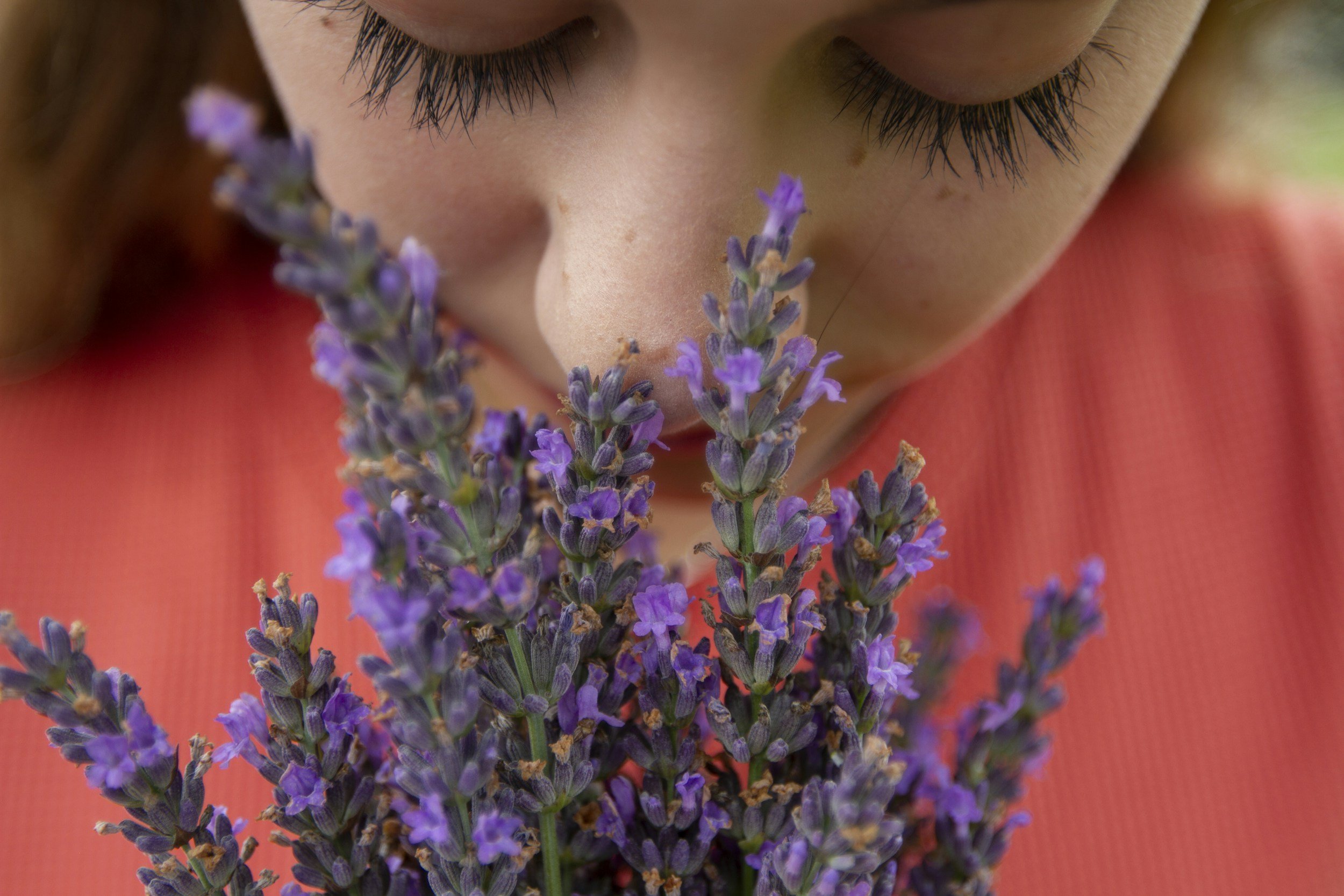
• Next take a moment to become of aware of two things that you can smell. These can be things that you may not ordinarily notice. It can be the smell of a flower that is in bloom, a nearby restaurant, the smell of the food your coworker is eating, or the perfume someone is wearing.
Keep in mind that the smells do not have to necessarily be pleasant.
• Notice one thing you can taste.
• Lastly bring your awareness of one thing you can taste. This can be something that you are drinking, a candy that you may have in your mouth, or just notice the current taste in your mouth. You can even notice if the air has a taste when you breathe in.
Mindful Seeing Exercise
Mindful seeing is a simple yet powerful activity especially for those that feel that they want the visual stimulus. Keep in mind that for some using their imagination may not come naturally when meditation. Therefore, this is a great activity for those that identify with that. This activity is one that be done in a few minutes. Also, the best part of the exercise is that it can be done anywhere that you have a view. Below are the steps:
• Find a space whether it is outside or looking out of window where you have a view of the outside world.
• Without judgement or labeling look at what is in the environment. In other words, if you see a bird do not just label it, instead look at the colors, patterns, and the details.
• Look at what your viewing as if you they where new to you. In other words, pay attention to the different shapes, to the wind and the movement of the grass or leaves, and all the small things as if you were exploring a new reality. Make sure that you are aware of your environment, but you’re not fixated on just one thing or critical of it.
• When or if you get distracted gently bring yourself back to your current awareness of what you are seeing. In other words, choose a color or shape to refocus yourself. Remember not to judge yourself if your mind gets distracted.

Body Awareness
Our bodies are amazing machines that are alive and in constant motion. At any moment, even when we are still, there are sensations that can be felt within the body that are a great focus for mindfulness.
We will start by bringing our awareness to our bodies as a way of becoming mindful. In the next chapter, you will find a progressive relaxation meditation that will walk you through relaxing your body from head to toe. For this simple exercise, you can be sitting or lying down with eyes closed.
• The first step to become aware of the body is to enter using the breath. Take a deep breath and notice the sensations within your body. Continue to breathe naturally. Notice how the air feels in your nostrils or mouth, how your chest or belly rises or falls with your breath.
• Your body is covered with your skin, which is an organ that is covered with sense receptors. Tune in to your outer body and notice anything you can feel. Notice the pressure where your body rests against the surface you are sitting or laying on. Notice the texture of the clothing you are wearing, where it is tight and where it is loose. Notice if any of your exposed skin can feel the gentle motions of the air. Is it warm or cool?
• Now, bring your attention to your inner body. Pay close attention and you may be able to feel or even hear subtle movement from within the body, such as your digestion, air moving in and out of your lungs, or the pulse of your blood circulating.
• Put your right hand over your chest and feel your heart beating. Now move your hand to your neck and you will feel your heart beating even more noticeably. Notice how the skin on your hand feels the touch of the skin of your neck as well as the sensation of the heart beat. Also notice that the skin on your neck feels the sensation of being touched.
• Return your hand to a resting position. Now, bring your attention to the energy or life force that animates your body. Can you feel a warm or tingling sensation in your hands? Your face? Your chest? Your legs? Try feeling the sensation of the energy in your whole body all at once. It feels warm, alive, almost as if you have a current of electricity pulsing through your entire body.
• As you rest, gently aware of this powerful energy that you are, express gratitude for your amazing body and the intelligence that animates it. Acknowledge how wonderful it is that your heart beats, your lungs take in and release air, your digestive system extracts nourishment, and all of the other systems of your body continue keeping you alive in any moment, all without you needing to be consciously aware of it. You don’t need to tell it to take a breathe, circulate your blood, or heal a wound. It blesses you with this every moment of every day, for free!
• Take a deep breath and bring your attention back to the room you are in. For a moment, try to hold the awareness of your entire body AND the room around it at the same time. Take one more deep breath and come back to full awareness and open your eyes.

MEDITATION:
Progressive relaxation
• Become aware of your breathing, and notice how your abdomen rises and falls with each breath...
• Mentally scan your body for areas of tension. Make note of how your body feels. During this relaxation session, you will focus on releasing any tension in your body and on quieting the mind
• Now take a long slow deep breath in through your nose, all the way down into your stomach. Hold the breath for just a moment, and then exhale through your mouth. Allow your breath to carry away all stress and tension as the air floods out of your lungs.
• Imagine what relaxation feels like. It might feel warm...heavy or light...tingly...loose...relaxation is a pleasant, calm feeling...it feels very comfortable.
• Take another slow breath in through your nose. Fill your lungs completely. Hold it for a moment...and release the breath through your mouth. Empty your lungs completely.
• Take a third deep breath in. Hold it for a moment, and then let it go.
• The gentle rise and fall of your chest with each breath is so calming...so relaxing...each time you breathe out...and your chest lowers gently...you feel even more relaxed...
• Now let your breathing rhythm return to normal...and relax....
• During this relaxation you will tense various muscles throughout your body. Simply contract each muscle firmly but gently as you breathe in. If you feel uncomfortable at any time, you can simply relax and breathe normally.
• Bring your awareness to your feet and toes. Breathe in deeply through your nose, and as you do, gradually curl your toes down and tense the muscles in the soles of your feet. Hold your breath for just a few seconds and notice what that tension feels like. Now, release the muscles in your feet as you breathe out. Feel the tension in your feet wash away as you exhale. Notice how different your feet feel when tensed and when they are relaxed.
• Once again, draw in a deep breath...and tighten your calf muscles. Hold for a few seconds, and then let it all go. Feel yourself relaxing more and more deeply with each breath. Your whole body is becoming heavier, softer and more relaxed as each moment passes.
• Take another deep breath in… and tense your upper legs. You’ll feel the muscles pulling your kneecap upwards. Hold for just a moment, and then release everything. As you do this, the blood flow to your muscles increases, and you may notice a warm tingling sensation. Enjoy this feeling of soothing relaxation.
• Draw in a nice deep breath and gradually tighten the muscles in your buttocks. Hold this contraction for a few seconds, and then release your breath. Feel the tension leaving your muscles. Feel them relaxing completely.
• Now bring your awareness to your abdomen and back. Draw in a nice deep breath and then tighten these muscles. Now release your breath and let your muscles relax. Notice the sensation of relief that comes from letting go.
• Now give your attention to your shoulder muscles and the muscles in your neck. As you slowly draw in a nice deep breath, pull your shoulders up towards your ears and squeeze these muscles firmly. Now breathe out completely and allow your contracted muscles to go loose and limp.
• Feel the heaviness in your body now. Enjoy the feeling. Feel yourself becoming heavier and heavier. Feel yourself becoming more and more deeply relaxed.
• You are calm, secure, at peace.
• Now it’s time to let go of all the tension in your arms and hands. As you breathe in, raise your wrists towards your shoulders and tighten the muscles in your upper arms. Hold that breath and that contraction for just a moment...and then gently lower your arms and breathe all the way out. You may feel a warm, burning sensation in your muscles when you tighten them. Feel how relaxing it is to release that tightness and to breathe away all tension.
• Now, as you breathe in, curl your hands inwards and tighten the muscles in your forearms. Now feel the tension subside as you relax and breathe out
• Now, take another breath in and tightly clench your fists. When you have finished breathing in, hold for just a few seconds, and then release. Notice any feelings of buzzing or throbbing. Your hands are becoming very soft and relaxed.
• Take a couple of nice long slow breaths now, and just relax. Feel yourself slipping even deeper into a state of complete rest.
• Now tighten the muscles in your face by squeezing your eyes shut and clenching your lips together. As you do, breathe in fully. Hold it...now breathe out and relax all your facial muscles. Feel your face softening.
• Notice how heavy your eyelids feel. Take another deep breath, and when you release your eye lids will feel heavier and heavier.
• You are now completely relaxed from the tips of your toes to the top of your head. Please take a few more minutes to rest. Relax. Listen to the sound of your breathing and enjoy the lovely, warm sensation of physical relaxation and sleep. You will awake feeling completely rejuvenated and relaxed.
Script by Christopher Lloyd Clarke from
www.The-Guided-Meditation-Site.com.

Mindful Eating
Most of the time when we are eating, we are only partially aware of it. Sometimes we are rushing or distracted and don’t even notice we are eating until we see that our plates are empty. This can be because we are talking, thinking, looking on our phones, or any number of reasons. In short, we are not mindful of what we are doing. And this is unfortunate because eating is a highly engaging, enjoyable experience! Sometimes we aren’t even paying attention when we’re eating the most yummy foods, and we miss out on the experience. Eating is one of easiest and most enjoyable ways to practice being mindful, aware and present. You can practice mindful eating ANY time you eat by putting away the phone and removing other distractions and really focusing on every bite of your food. You can also deliberately choose a food you would like to experience fully, such as your favorite snack, and practice eating in full awareness. Eating mindfully not only makes eating more enjoyable and helps you increase your mindfulness, it also helps you tune into your body so you can recognize when you’re full and how your body reacts to the food that you eat, which helps lead to healthier eating habits. Today decide either to choose a specific meal you will eat mindfully or choose a special food you would like to use for this practice. To eat mindfully is simple. Pay full attention to your utensil as you grab the food and move it toward your mouth. Pause for a moment just before the food enters your mouth and notice the sensations in your mouth as it prepares for the food, such as the sensation of it producing saliva. Notice if the food has a smell. As you take a bite, notice the feelings and sounds of the food entering your mouth and you begin to chew. Where in your mouth does the food move? What does it taste like? When you swallow, follow the sensation of the food as it moves down your throat. Take another bite and continue to observe the experience. After a few bites, check in with yourself to see if you can feel the effect of what you have eaten in your stomach. Throughout the meal, when you notice that your mind wanders, bring your attention back to the process and experience of eating. Savor every bite, enjoy the experience of it, and appreciate the nourishment that you are receiving. Mindful Curiosity (Using the Senses) In the following activity, you’re going to use all of your senses in order to explore your curiosity about an item. You will need a small piece of food for this exercise. Something with an unusual texture, smell, and/or taste is best. A raisin is commonly used. Once you have your raisin or other food item, for the rest of the activity imagine that you are seeing one of these for the very first time. You’re going to use all of your senses.
1. SIGHT: Start by holding the raisin between your fingers or in the palm of your hand and look at it closely, from all angels, as if you have insatiable curiosity about it. Observe the texture, color, size, and any other detail you notice.
2. TOUCH: Squeeze the raisin between your fingers. Notice how it reacts to the pressure. Rub your finger along the raisin and observe how it feels. Is it rough? Smooth?
3. SOUND: Does it make any noise as you move it around or squeeze it? As you smell, chew, and swallow the raisin in the next steps, pay attention to any sounds that the process of eating makes.
4. SMELL: Bring the raisin close to your nose and observe the smell. How does it smell? What does it remind you of? How does the smell make you feel?
5. TASTE: Next, put the raisin on your tongue. Without chewing it, move it around in your mouth and observe how it feels on your tongue and what it tastes like. Notice how your mouth reacts by creating saliva to digest the food. Then, chew the raisin and observe in what way it feels or tastes different. Notice how your teeth grind the raisin and prepare it for digestion. Then swallow the raisin and observe how it feels as your throat contracts and it travels down your esophagus to your stomach.


Mindful Listening Mindful Noise
There is noise going on all around us all of the time. Sometimes the sounds can be pleasurable or soothing and other times it can be distracting or unpleasant. For this exercise, sit or lye in a comfortable position that will allow you to be completely still and free from distractions. Take a few deep breaths to center yourself in the moment. Pay attention to the sounds in your body. Sit or lay still and listen to see if you can experience any sounds going on inside of your body. Listen to the rise and fall of your breath. Now bring your attention to any sounds going on around you. First, notice anything close by, such as the sound of an air conditioner, refrigerator, or clock. Just witness the sounds without judging or labeling them. Then, bring your attention to more distant sounds. Perhaps the sound of the wind outside, a car driving by, or thunder in the distance. Shift your attention back and forth between the different sounds you hear, the distant ones, close ones, and then back to your body and breath. Cycle through them several times. Use whatever sound you are hearing at the moment to anchor you deeper and deeper into the present. Do this for anywhere from 5 to 20 minutes. You can also take a moment at any time to pay close attention to the sounds around you n order to bring your awareness back to the present moment, such as when you’re sitting at your desk listening to the murmur of voices, sitting in your car listening to the hum of the wheels on the road, or laying in your bed hearing the crickets chirping. However, sometimes noises can be irritating, like ringing phones, car horns, babies creaming, a particular person’s voice. These annoying stimulus can be a great opportunity to practice mindfulness. When you resist the sound, it’s like your body stiffens and the vibration of the sound bounces off of you, beating you up. Instead, imagine your body is limp, like a noodle… imagine it is transparent and the sound can pass right through you. Notice how different this feels. Pay fully attention to them. Go into them. Notice any rhythms. Imagine the noise is like a sound. Make up a beat or song that goes along with it. Imagine a funny cartoon scene going on along to the sounds. By releasing your resistance to the disruptive sound you release your unpleasant reaction to it. Your curiosity overpowers your annoyance. You can also use sound or music as a focal point for meditation.
MEDITATION: Music Meditation Using Music as a Meditation Tool
You’ve already experienced the meditative effect of music any time you’ve gotten lost in a song. This happens because music helps stimulate reward pathways in the brain that are linked to positive emotions. You can use the music to boost your mood. Actually, there are specific types of music that have been shown through research to create relaxation and a sense of peace. These include classical, native American, Celtic, stringed instruments, drums, and flutes. But, music is also strongly associated with memories, which is why listening to a song you heard during a painful breakup will bring you down or a song you used to listen to in high school can bring you back. It’s important to consider what music that you expose yourself to because depending on the type of music and the association you have with it, it will either alleviate stress or create more of it. There are many benefits to using music as a point of focus and a mediation tool, including how easy it is to play a song any time, anywhere, even when you only have a few minutes to practice being mindful. Music can help with stress management by lifting your mood and slowing your breathing. Music has even been shown to impact your overall health. In fact, there are have been several studies that have demonstrated the benefits of music, including a study by a researcher named Novotney in 2013 that it showed that listening to music reduces levels of the stress hormone cortisol and another one by a researcher named Clarke in 2017 that music increases the body’s production of the antibody immunoglobulin A which attacks invading viruses and boosts the immune system’s effectiveness. SO now that you know how and why music can boost your mood and be a good mindfulness tool, let’s explore a simple exercise. The longer you can extend this process, the more beneficial it will be, however listening for the duration of a single song will be enough to help reduce stress and feel re-centered. Choose a song that you know will help you relax or put you in the state of mind that you are seeking to experience. You can create a playlist for longer sessions, or you can put one song on repeat. Sit in a comfortable position and close your eyes. Take a deep breath and relax your shoulders, arms, face, abdomen and legs. Now, focus on the music. Notice the rhythm, the tones and the rise and fall of the volume. If you catch your mind wandering, congratulate yourself for noticing and bring your attention back to the song. Notice any sensations you feel in your body in response to the song. If you find that the song brings up memories, you may want to choose a different song.

Mindful Walking
Walking has been shown to be one of the most important things we can do for our health, so establishing a routine of taking walks is a great idea. With the current trend of people using Fitbits or phone apps to count their steps, many people are already trying to get 10,000 steps a day. You might even be one of them! But this isn’t about the physical benefits of walking, it’s about the opportunity that walking offers for practicing mindfulness. As with any other mindfulness activity, you can create a formal walking program, such as taking a walk at the same time every day. Doing it consistently and intentionally will greatly enhance the benefits you experience. But, the good news is that walking happens all the time, so ANY time you are walking is a good time to be mindful! Whether you’re walking up the stairs, taking a walk in a park, or walking down a city street, don’t just make your walking a means of getting from point A to point B. Be mindful of the experience so that you can actually experience it, rather than be lost in thought the whole time. With each step, notice the rise and fall of your feet and how it feels when your feet make contact with the ground. Notice how your arms sway with the rhythm. Notice your breathing. Is it fast or slow? Shallow or deep? When your mind wanders or something else captures your attention, bring your attention back to your steps. If you need help staying focused, count your steps from 1 to 10 and then back down 10 to 1 and repeat. This is also a great technique for moments when you go for a walk to clear your mind or calm down a negative emotion or obsessive thoughts. After paying attention to your steps and your breathing for a minute or two, shift your attention to your surroundings. What is going on around you? If you’re in nature, what plants or animals do you see? Is there a breeze? How is the weather? Rather than labeling objects you observe or judging situations, just simply observe that they are there. If you’re in a city, what types of buildings, vehicles, or people are around you? Again, observe them without judging or thinking about them. After observing your environment, bring your attention to how your senses are interacting with the environment. Are there any smells? Sounds? Changes in light? Other sensations? For the remainder of your walk, alternate your attention back and forth between your steps, your breathing, and your environment. When your walk is coming to a close, spend the last minute fully aware of the physical sensation of walking. When you are done walking, stand still for a moment. Pause to notice how it feels to be still.

Mindful Driving
Ever arrived and didn’t realize you were driving? We spend a lot of time there… doesn’t just have to be point a to point b… Less likely to cause accident Not react to irritating drivers or be bothered by traffic Embrace the time you’re going to be in the car—you’re going to have to spend the time there anyway, you might as well enjoy it! Pay attention to the sounds around you. Become intensely aware of what your eyes can see inside the car—your steering wheel, lap, dashboard, road, trees, sky. Also, can do sometime enjoyable, like listen to music—really listen—or put on an audiobook and learn something new.


Days of the Week Mindfulness Routine

Establishing a Formal Meditation Practice
If you want to experience the full benefits of mindfulness and meditation, establish a formal meditation practice.
The first thing you have to look at is understanding your “why”.
To be able to maintain any new habit and create long-term change, you need to have a clear reason why you want to create that change.
The stronger the reason is for why you want to do it, the higher the chances are that you’re going to follow through. If you’re trying to create a meditation practice because someone else tells you that you should, or because it’s trendy, then you’re probably not going to have the commitment to follow through in those moments when you’re just not feeling in the mood.
On the other hand, if you’re doing it because you genuinely want more energy, or maybe you want to keep your anxiety or stressful thoughts under control, then you’re going to be more willing to follow through. Ask yourself, what is the real reason why you want to establish a meditation practice? What benefits will you receive from doing it? How is it going to change your life? Also, look at what will happen if you do not continue to use the meditation or mindfulness techniques that you’ve learned regularly.
• What is the real reason you want to establish a meditation practice?
• What benefits will you receive from doing it?
• How will your life change?
• What will happen if you do NOT continue to use meditation or mindfulness techniques regularly?
Start Small
Remember to be reasonable with yourself. If you try to commit to too much too soon, or you set unrealistic expectations for yourself, you will become discouraged or overwhelmed. The goal is to find a way to fit meditation into your life’s existing patterns so that it isn’t too disruptive and it’s easy to habituate. The key to a successful meditation practice is to start small and simple.
Choose 1 or 2 of your favorite mindfulness or meditation exercises and commit to doing them every day.
Choose mindfulness exercises that you will have the opportunity to use daily, such as mindful eating, walking or driving. Also, select your favorite meditation(s) and choose a specific time of day that you will practice your meditation every day.
• How much time per day feels completely reasonable for you to meditate?
• What time of day would be the easiest for you to commit to it?
• If you’re starting small, what would be your initial meditation goal?
• In the long term, if you would like to increase your practice, what would your goal be
Tie It to an Existing Pattern
The best way to create any new habit is to piggyback off a routine you already have. This is why so many people tend to meditate in the morning or at night.
This way, they can integrate their meditation into their existing morning and bedtime routines. Since you already remember to do these routines every day, you will always remember to do your meditation practice.
Another idea is to listen to a meditation when you get in the car before you leave for work.
• What habit or routine could you add your meditation practice to?
• How will you work this into the schedule you identified?
Choose a Method
It is important to know what type of meditation practice you’re going to be doing during your allotted time, ahead of time.
For example, you could choose to do breathe work, listen to a guided meditation, do a body scan, or any other meditation you like. You don’t necessarily have to do the same one every time, however you don’t want to be waiting to the last minute to decide what you’re going to be doing because you don’t want to waste your allotted time making the decision or finding the audio file, if necessary.
• Which meditation processes are your favorite?
• Which would you like to do regularly?
• Are there any particular ones you want to work into the schedule you created?
• What supplies or audio files do you need and where will you keep them to make sure they’re available?
Create Accountability
You also want to consider if you will need help holding yourself accountable to your new habit. For example, you can start your new meditation practice with a friend or a family member, either doing the exercise together or checking in with each other daily to act as each other’s accountability partner.
For a long time, we used a group chat with family members to hold each other accountable when we were all committing to walking 10,000 steps a day.
If you’re going to be your own accountability, one method is to give yourself a reward for your accomplishment of reaching your meditation goals.
Meditation itself is a reward, but when starting any new habit, giving yourself a reward every time that you achieve it reinforces the new behavior, making it become habituated faster.
What method will you use to create accountability? And lastly, it’s important to continually assess what’s working and what’s not working. You might find that mornings work better than evenings for you or that some types of meditations work better than others.
If you want mindfulness and meditation to be part of your everyday life, it’s not a matter of IF it’s going to work for you, it’s a matter of experimenting to determine what optimizes your experience and your ability to do it consistently.
An Idea could be to pick each day a specific mindfulness strategy and activity.
You can always change it with time, however, the consistency can be powerful because it will help you start incorporating the activities on an unconscious level.
This means that you won’t even to have to think about it your mind and body will naturally follow the process.
Here is an Example:
1. Monday: Gratitude – Gratitude can be a powerful force. Therefore, for the day find things that you are grateful for. As you go through your day you can write down the things that come up that you are grateful, and you can also do a gratitude and a loving kindness meditation.
2. Tuesday: Compassion – Compassion for ourselves and others is essential for creating a more loving and kinder space around us. Therefore, for the day set the intention to decrease any suffering in yourself and others that may come up throughout your day.
3. Wednesday: Acceptance – Acceptance can be challenging for many people. This is something that takes practice but with time can be powerful in decreasing stress and increasing happiness and wellbeing. When it comes to acceptance, we are talking about acceptance of yourself as you are and accepting others for who they are. In other words, yourself as you are and others as they are. This allows us to look at our self and others without judgement and without trying to change them. This does not mean that we don’t strive to improve where we are at or that we must accept people behaviors that are detrimental to us. By allowing ourselves to accept things for what they are we are better able to clearly see what reality is. Keep in mind that there is an acceptance meditation in this book that you can do.
4. Thursday: Meaning and Purpose – Living a life of purpose is essential. Therefore, spending time reflecting on your purpose is essential. Therefore, think about your purpose in life and what brings you meaning. Also keep in mind that as you continue this routine that you will get more and more clarity every week. You can also reflect on what steps you are taking to do more of those things that produce meaning and lead you towards your purpose.
5. Friday: Forgiveness – Forgiveness is a critical part of releasing and being able to let go of baggage that may be holding you back. It is important to reflect and forgive yourself first. For example, in my (Joeel) life after my brother passed away I had to do a lot of work to forgive myself and the feeling that I could have helped in some way. The unforgiveness was impacting every aspect of my life. Therefore, by forgiving myself I was able to let go of the chains that where holding me back and impacting my health. You should also look at people that you may need to forgive.
Remember as the quote from. Marianne Williamson: Unforgiveness is like drinking poison yourself and waiting for the other person to die. As you forgive keep in mind that there are many ways to do this. You can express forgiveness to yourself or others. You can write a letter make a phone call.
You can do a forgiveness meditation. The most important part is to do something symbolic.
The mind sometimes needs a symbolic gesture to feel like it is releasing something.
Therefore, this can be writing it down and then stating to yourself that you release it as you rip the piece of paper.
6. Saturday: Celebration – This is one of our favorite things to do and that many people do not take enough time to do. That is celebrate your success as well as the little things in your life and the life of those around you. This celebration can be something simple or something that is complex. The important part is that the celebration is something that you enjoy. Remember that by celebrating you are helping reinforce the positive things in your life and empowering yourself and boosting your confidence moving forward.
7. Sunday: Reflection – On this day reflect on your week or month. This can also be any specific time that you would like to reflect on. Reflection is critical to creating long term change and understanding what is working and what is not working and what ways we can change improve. You can choose to reflect through meditation, journaling, prayer, or simply creating awareness of the time that you are reflecting on.
Schedule Your Meditation
Having a schedule is a key to success.
• Where will you put your schedule? (Day planner, phone reminder, wall calendar, etc.)
• How long will your sessions be?
• When will you do them?
Here are several examples: 8 minutes twice a day after lunch and before bed, 2 -15-minute walks before breakfast and as an afternoon break, 3- 3-minute breathing exercises while listening to one of your favorite songs.
Create the Environment
It’s also important to choose a good environment for your meditation. You can practice mindfulness or meditation basically anywhere, but having a dedicated location, especially for the longer sessions that you do, it’s going to help you establish the habit and enjoy the process more. With time, just entering the space will help you relax because you’re going to condition your mind to associate that space with your meditation practice. For example, is there a place in your house that you could set up a yoga mat or a comfy chair that you could use to meditate? You can fill the space with things that will inspire you, such as photos, candles, oils, or anything else that inspires you.
• Where will you be practicing your meditations?
• What can you do to make it more comfortable (such as a yoga mat or a chair)?
• How will you fill that space with things that will inspire you such as photos, candles, incense or anything else that will inspire you?