Chapter 1
IN THIS LESSON
1. I don’t know how to do it.
Many people fear doing meditation wrong, but the truth is that it is as simple as paying attention to your own breathing. There is no ultimate goal of meditation or any right way to do it, so relax and know you can’t mess this up!
2. To meditate I have to stop thinking and have a blank mind.
It is impossible to completely stop thinking. Even the most advanced meditators can only reduce their thinking. It is true that part of the purpose of meditating is to quiet and calm the mind so that you can have more control over it but thinking while you’re meditating isn’t a problem. Having your mind wander and think about what you’re going to eat for lunch is totally normal. When you notice it, simply redirect it back at the meditation practice. Over time your mind will naturally stay focused better, which is the point! But don’t go into it wanting your thoughts to stop. If they stopped you would miss out on all the great benefits of meditation, including being able to more clearly OBSERVE those thoughts.
3. Meditation means sitting in awkward positions that require you to be flexible.
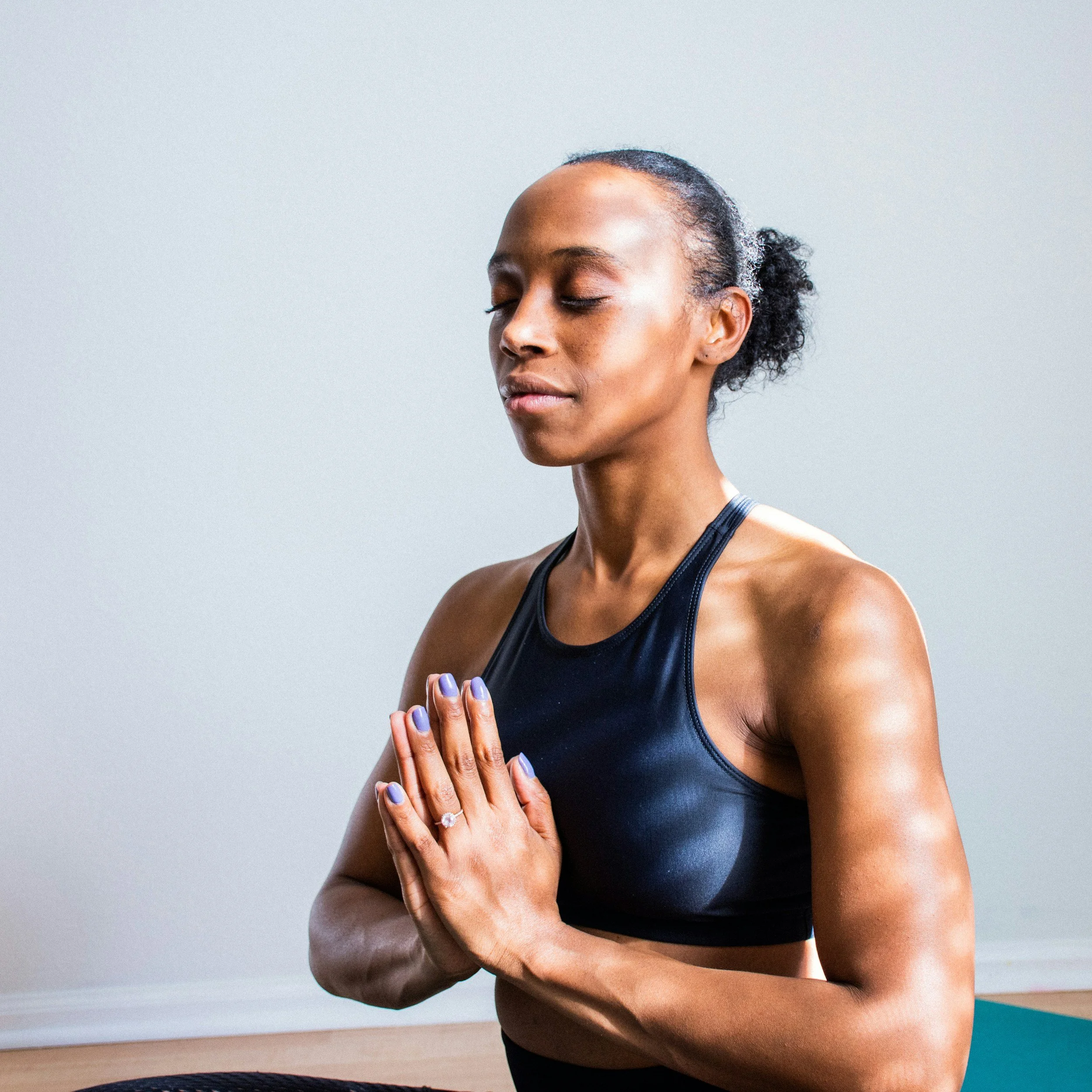
Yes, some people do that, but it is a stereotyped image not reality. Most people meditate sitting in a chair, laying down, standing or even walking. While it’s ideal to have good posture, it’s really about being still in a comfortable position.
4. Meditation is religious, spiritual or “woo-woo”.
Although often associated with Buddhism, Hinduism, or hippy, new-agey spiritualism, nearly all cultures and religions have practices that are considered meditation, although they often call it by a different name.
Meditation has become mainstream and secular (meaning it’s not religious or spiritual) due to the numerous studies proving its effectiveness at reducing stress and anxiety and boosting productivity and happiness.
Nearly all successful (financially and happily) leaders report that meditation is part of their life and professional athletes use it as part of their conditioning routines. None of the meditations in this book discuss any symbolism, concepts or beliefs of any kind that are spiritual or religious in nature.
5. I don’t want people to hear me chanting or saying “OM”.
Again, yes, some people do include vocalization in their meditations, but you do not have to. None of the meditations in this book will require you to make any noise of any kind.
6. People who meditate are always peaceful. Although statistically someone who meditates is more likely to feel content, peaceful, happy, and focused, by no means does that mean they don’t have stress, anger, or occasionally go squirrel.
7. You have to be relaxed or Zen to meditate. Type-A’s or people with anxiety can’t meditate. This is just not true. In fact, people who are high strung, high energy, anxious, or have attention deficit can benefit from meditation even more than others.
Again, you can’t do meditation wrong. Some people, especially people who practice meditation a lot over a long period of time, can get into a deeper state of relaxation than others. However, no matter who you are, taking the time to practice breathing techniques and focus your mind has positive effects and will result in a calmer mind and wellbeing.